Life After Liver Transplant: Diet, Exercise, Work & Travel
Need expert consultation? Book an appointment with Dr. Babu Elangovan.
Book AppointmentLife after liver transplant is not a single milestone. It is a paced return to eating well, moving safely, working again, and eventually travelling, while protecting the new liver with medicines and follow-up. This guide is written for recipients and for the family members who will be cooking, driving, and counting tablets alongside them.
If you are earlier in the process, liver transplant evaluation, living donor eligibility in India, and the Tamil Nadu waiting list, MELD and TRANSTAN guide cover what comes before the operation. The liver transplant in Chennai page describes the service itself.
Dr. Babu Elangovan has been involved in 230+ liver transplants and provides continuity from listing and donor decisions, through living-donor liver transplant or deceased-donor surgery, to lifelong outpatient care across his Chennai consulting locations.
A Realistic Recovery Timeline
Exact days vary. Use this as a map, not a stopwatch:
| Phase | What usually happens |
|---|---|
| Hospital (often a few weeks) | ICU then ward; walking with help; medicine teaching; wound care; frequent blood tests |
| First 1–3 months | Highest infection caution; frequent clinic visits; energy still limited; diet hygiene strict |
| 3–6 months | Many resume light work and broader activity if stable; medicine regimen simplifies somewhat |
| 6–12 months+ | Focus on long-term metabolic health, bone health, cancer screening where advised, and sustained adherence |
Pre-transplant muscle loss slows recovery, another reason nutrition before surgery matters (muscle loss in liver disease before transplant).
Immunosuppression: The Non-Negotiable Habit
Your immune system will treat the new liver as foreign unless medicines blunt that response. Key patient rules:
- Take doses on time every day. Set alarms
- Do not skip, double, or stop tablets because you “feel fine”
- Keep a written medicine list in your wallet and phone
- Tell every doctor and dentist you are a transplant recipient before new prescriptions
- Avoid grapefruit and other interaction foods/supplements your team lists
- Attend trough-level blood tests as scheduled; levels guide safe dosing
Different centres use different medicine combinations. Your transplant team’s chart, not a website, is the source of truth for drug names and doses.
Too little immunosuppression risks rejection. Too much raises infection and metabolic side effects. Follow-up exists to balance both.
Diet and Food Safety After Transplant
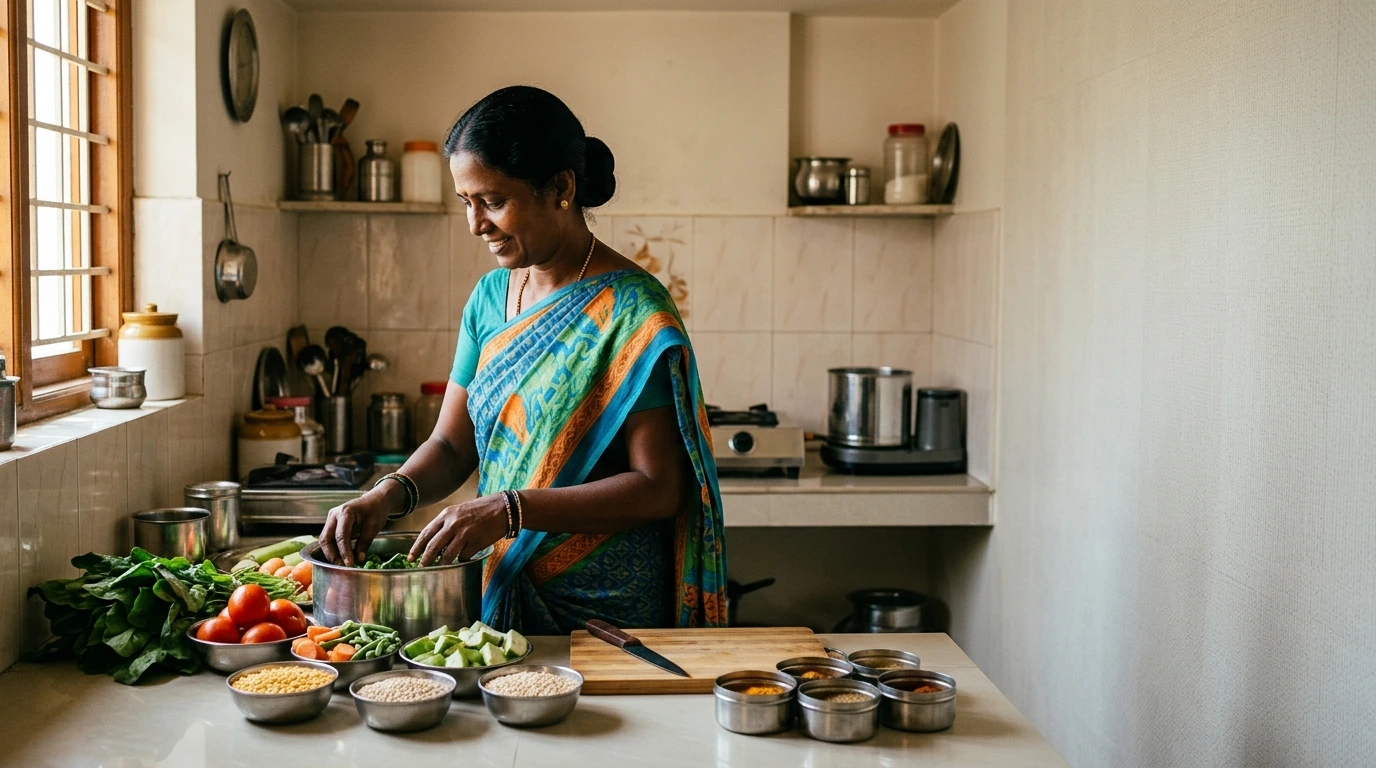
Early after transplant, food is medicine and risk control.
Priorities
- Protein to rebuild muscle and heal wounds (dal, curd if advised, eggs, fish, chicken, paneer, as individually allowed)
- Cooked, hygienic meals: prefer home food over risky street food in the early months
- Clean drinking water
- Fruits and vegetables prepared as your team advises (peeling/washing thoroughly; some centres restrict certain raw items early)
- Moderation of salt, sugar, and saturated fat, because the medicines can raise blood pressure, sugar, and lipids
Usually avoid
- Alcohol, which stays off the table permanently after transplant
- Raw or undercooked meat, fish, eggs, and high-risk deli foods in the early high-immunosuppression window
- Unpasteurised dairy if advised against
- Self-started herbal “liver cleanses” and unsupervised supplements (detox drinks are not a substitute for medical care)
Longer term, many recipients eat a near-normal balanced Indian plate with ongoing caution at buffets, raw salads of uncertain hygiene, and flood-related water risk while travelling. General liver-friendly food ideas appear in best foods for liver health, adapted to your transplant rules.
Exercise: Rebuild Without Rushing
Movement prevents clots, preserves muscle, and lifts mood, but wounds and abdominal healing set limits.
Typical progression (individualised):
- Supported walking in hospital
- Short daily walks at home, increasing distance as energy allows
- Light stretching and breathing exercises
- Gradual strength work only after clearance
- Avoid heavy lifting and contact sports until the team agrees
Stop and call if exercise triggers severe pain, dizziness, chest symptoms, or unusual swelling. Physiotherapy referrals help frail patients rebuild safely.
Work, Driving, and Family Roles
Return to work
- Desk or supervisory roles: commonly discussed around three to six months when labs and energy are stable
- Standing retail or teaching roles: may need a phased return
- Construction, heavy lifting, or high infection-exposure roles: longer and highly individual
Involve your surgeon early if employers need medical letters. Feeling motivated is good; stopping medicines to “keep up at work” is dangerous.
Driving
Resume only when you can sit comfortably, brake safely, are off impairing pain medicines, and have explicit clearance — often after the early post-operative weeks for uncomplicated recoveries.
Caregivers
The first months work best with a medicine chart, infection vigilance, and help with cooking and transport to labs. Caregiver burnout is real. Rotate support when possible.
Intimacy and emotional recovery
Many recipients worry about body image, scars, and closeness with partners. Once wounds heal and energy returns, intimacy is usually possible with the same infection and medicine cautions that apply to daily life. Anxiety, low mood, and sleep disruption are common; mention them in clinic. They are part of recovery, not a private failure.
Travel After Liver Transplant
Travel becomes realistic after clearance, not after an arbitrary internet number of weeks.
Before you go:
- Confirm stable graft function and a follow-up plan
- Pack medicines in hand luggage with extras for delays
- Carry prescriptions, a doctor summary, and recent lab copies
- Plan dosing across time zones with the team. Do not improvise
- Ask about destination infections, food/water caution, and vaccines appropriate for immunosuppressed travellers
- Know a hospital near your destination
International trips need more planning than a short domestic visit. Insurance paperwork should disclose transplant status.
If you are still waiting for a graft rather than recovering from one, allocation realities in Tamil Nadu are explained separately in the TRANSTAN and MELD waiting-list article.
Warning Signs: When to Call the Transplant Team
Contact urgently for:
- Fever or shaking chills
- New or worsening jaundice, dark urine, pale stools, severe itching
- Persistent vomiting or inability to keep medicines down
- Severe abdominal pain or rapidly increasing abdominal swelling
- Confusion, extreme sleepiness, or personality change
- Marked reduction in urine output
- Wound redness, discharge, or opening
- Exposure to people with contagious illness when you feel newly unwell
Early calls prevent small problems from becoming graft-threatening ones.
Long-Term Health Beyond the Liver
Successful recipients still need attention to:
- Blood pressure, sugar, and cholesterol
- Kidney function (some medicines strain kidneys)
- Bone health
- Skin and other cancer surveillance as advised while immunosuppressed
- Mental health: anxiety and adjustment are common and treatable
Annual reviews often expand beyond liver enzymes alone. Dental care before invasive procedures, vaccine updates approved for transplant recipients, and sun protection for skin health are small habits with outsized payoff over years.
The goal is ordinary life with extraordinary consistency, not permanent invalid status.
If you want a structured review of medicines, diet, work timing, or travel clearance, book an appointment with Dr. Babu Elangovan or visit a clinic location convenient for you.
Continuity of Care With Dr. Babu Elangovan
Post-transplant care works best when the surgeon who knows your operation also guides long-term adjustments. Dr. Babu Elangovan’s single-surgeon model covers evaluation, living or deceased-donor pathways, surgery, and outpatient life afterwards for patients across Tamil Nadu and for outstation families using video follow-up when clinically appropriate.
For personalised life-after-transplant counselling in Chennai, request a consultation or call +91 99626 60009.
References
- AASLD / EASL. Clinical guidance on long-term management after liver transplantation (immunosuppression principles, metabolic care).
- Indian transplant centre patient-education practice. Diet hygiene, infection caution, and graded return to activity after LDLT/DDLT.
- NOTTO / national transplant programme materials. Broader organ transplant public education context in India.
- TRANSTAN. State-level deceased donation ecosystem relevant to families who experienced waitlisting in Tamil Nadu.
Authored by